

The number one concern of every dog parent is “Is my dog healthy and happy?” Our four-legged family members are the
apple of our eye — as much as we care about their physical health, we worry about their emotional well-being! But,
how do you tell if your dog is happy? How can you read dog emotions?
While every pup is unique, you can learn a lot about a dog’s mood by their body language and behavior. Here are some
of the signs of dog joy!
The Body Language Of A Happy Dog
Since our furry friends can’t speak to us using words, the key to understanding your pup’s emotional state is
learning how to read their body language. The way they hold tension in their ears, the emotion held in their eyes,
and the way they react to your affection … your pup is letting you know how they feel! Learning a little bit about
your dog’s body language can help you respond appropriately to their needs and soothe that pet-parent stress.
Here are 4 tell-tale physical signs your fur baby is content.
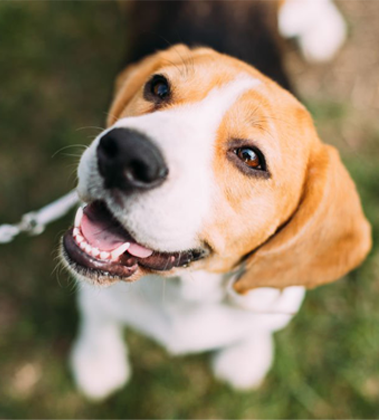
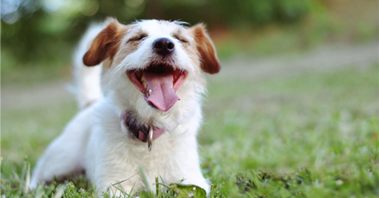
Open, wide smiles
One of the easiest ways to read your pup’s mind is to look at their smile! If your pup has a tense
jaw and a closed mouth, they are likely uncomfortable. Meanwhile, a wide, open-mouthed smile means a
happy pup.¹ This goofy smile is usually paired with a lolling tongue, relaxed eyes and loose
posture.
|
|
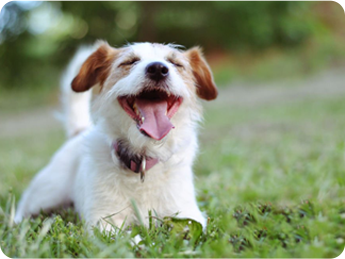
Open, wide smiles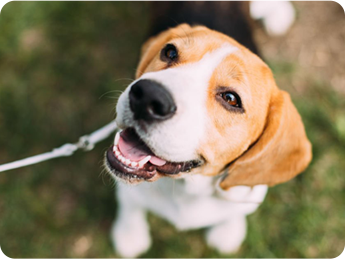
|
One of the easiest ways to read your pup’s mind is to look at their smile! If your pup has a tense
jaw and a closed mouth, they are likely uncomfortable. Meanwhile, a wide, open-mouthed smile means a
happy pup.¹ This goofy smile is usually paired with a lolling tongue, relaxed eyes and loose
posture.
|
2. Soft, gentle eyes
They say that eyes are the windows to the soul — and that’s true for fur babies too! A happy pup holds a relaxed
gaze, accompanied by fairly frequent blinking.³ When directed at you, it’s the cutest thing in the world.
Narrow, cold eyes happen when your pup is feeling aggressive, and that’s often paired with a direct stare. On the
other hand, if your fur baby is avoiding eye contact with you, they’re likely stressed and uncomfortable! If you see
this, help them regulate with a kind tone and affirmations.
3. Wagging, neutral tails
Your pup’s tail is a pretty accurate indicator of their mood. A high tail that’s wagging so hard their whole body is
shimmying side to side is an ecstatic tail. This is often the greeting we get when we come home from a vacation or a
long day away. Alternatively, a low, tucked tail means that your fur baby is anxious or afraid.
Happy, relaxed pups have a neutrally positioned tail that wags back and forth like a metronome.⁴ It likely feels
casual and relaxed.
|
4. Relaxed, floppy earsIf you aren’t getting enough of a read from your dog’s mouth, eyes, or tail, take a look at their ears! Stiff, drawn-back ears mean stress, while ears that are perched forward mean arousal or predation.⁵ Happy dogs sport floppy ears that fall softly against their head. |
|
4. Relaxed, floppy earsIf you aren’t getting enough of a read from your dog’s mouth, eyes, or tail, take a look at their ears! Stiff, drawn-back ears mean stress, while ears that are perched forward mean arousal or predation.⁵ Happy dogs sport floppy ears that fall softly against their head. |
The Behavior Of A Happy Dog
In addition to your furry friend’s body language, your pup will tell you a lot about how they feel by their
behavior. Sometimes they’re intentionally letting you know, and sometimes the communication is subconscious! Either
way, it’s helpful for us pup parents to identify how happy dogs behave.
Here are a few behavioral signs that your pup is content:
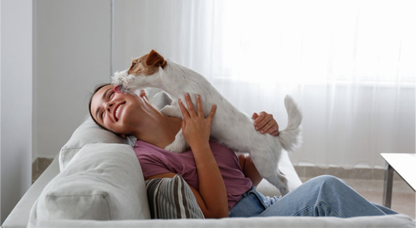
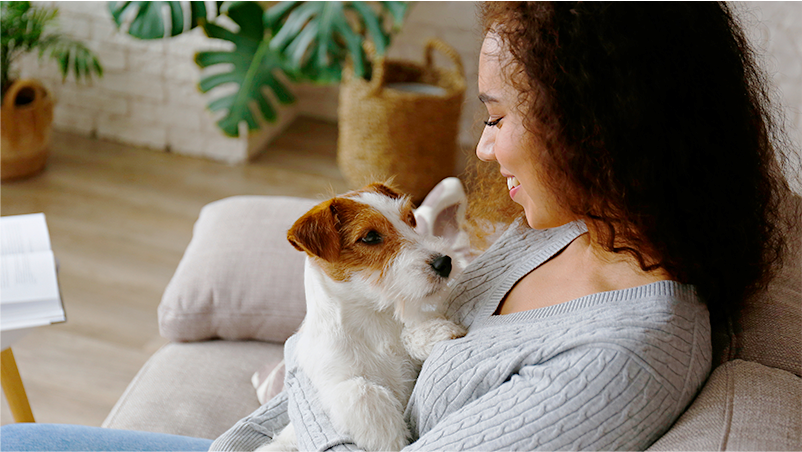
Requests CuddlesDogs tend to ask for cuddles when they’re relaxed.⁶ When your dog rolls over to ask for belly rubs, or cuddles up next to you on the couch, that’s a good sign that they’re having a good time. For those of us that parent non-cuddly pups, they’ll show you they’re relaxed by leaning slightly into your hand as you pet them or when they’re resting at your feet. |
|
|
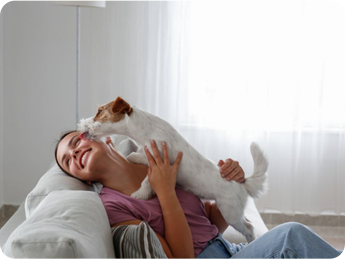
Requests CuddlesDogs tend to ask for cuddles when they’re relaxed.⁶ When your dog rolls over to ask for belly rubs, or cuddles up next to you on the couch, that’s a good sign that they’re having a good time. For those of us that parent non-cuddly pups, they’ll show you they’re relaxed by leaning slightly into your hand as you pet them or when they’re resting at your feet. |
Downward Dog Pose
There’s a yoga pose named after this expression of joy. The “downward dog pose” is your pup’s way of saying, “I’m excited and ready to play!” They’ll often do it when they’re raring to engage with other dogs or people. Otherwise, they’re stretching out their legs for a day ahead.
|
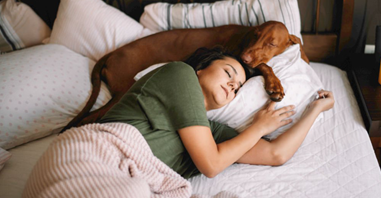
Lots of SleepingHealthy adult dogs usually sleep about eight to 14 hours a day, depending on their breed. If your dog is sleeping less than usual, they might be stressed or uncomfortable. If your dog seems to struggle with sleeping, consult your veterinarian! A happy pup sleeps easily and well.⁷ |
|
Lots of SleepingHealthy adult dogs usually sleep about eight to 14 hours a day, depending on their breed. If your dog is sleeping less than usual, they might be stressed or uncomfortable. If your dog seems to struggle with sleeping, consult your veterinarian! A happy pup sleeps easily and well.⁷ |
Healthy Appetite
A weak appetite or lack of interest in food can mean that your fur baby is ill, discontent or that they’re a picky
eater. If your pup wags their tail excitedly when you bring out the food, this is a good sign!⁸ Being eager to eat
and eating well is an indication of a happy, healthy dog.
As you learn the signs of a happy dog, you’ll be able to read your pup’s emotional state quickly and provide them with the emotional support they need. Ultimately, a great deal of dog happiness comes from having a vibrant, trust-filled bond with you, their pet parent. Luckily, our pet has the same joyful effect on us!
- ¹ Source: PetMD
- ² Source: AKC - "How To Read Dog Body Language"
- ³ Source: Sundays for Dogs
- ⁴ Source: AKC - "How Do I Know If My Dog is Happy?"
- ⁵ Source: PetMD
- ⁶ Source: AKC - "How To Read Dog Body Language"
- ⁷ Source: PetMD
- ⁸ Source: AKC - "Why Do Dogs Wag Their Tails?"
You Might Also Like
Dogs, Cats And CBD — All The Answers And Benefits In One Place! Read More |
Why Is My Dog Clingy? Tips For Understanding & Managing Dog Anxiety Read More |
3 Science-Backed Ways Pets Make Stress Vanish Read More |
Dogs, Cats And CBD — All The Answers And Benefits In One Place!
Why Is My Dog Clingy? Tips For Understanding & Managing Dog Anxiety
3 Science-Backed Ways Pets Make Stress Vanish