


 Why
Why Signs
Signs
 How to Help
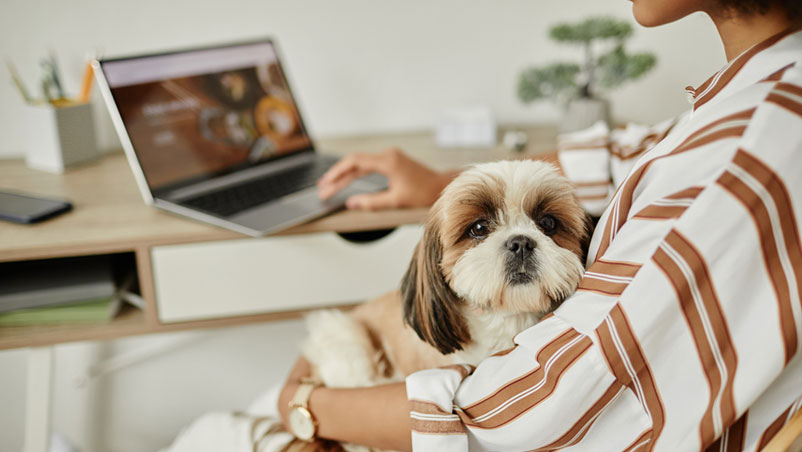
We love to receive our fur baby’s love and attention, but if your pet experiences stress or discomfort when left
alone, you might have a clingy dog on your hands! Just like “hoomans,” dogs of all kinds experience stress,
anxiety and nervous attachment.
So why is your fur baby being clingy? And how do you help foster a confident, independent pup? Here are some
tips for understanding and managing clingy dog behavior.
Why Is My Dog Being Clingy?If your fur baby never leaves your side or always has their attention focused on you, they are likely experiencing some stress or discomfort in their life. Here are the biggest reasons your pup might be clingy: Learned Behavior
Sometimes, dogs learn clingy behavior from us! The way we interact with our fur babies can encourage
clinginess. For example, if you always give your dog food when they follow you to the kitchen, you
teach them that following you around leads to some type of reward.
|

|
Why Is My Dog Being Clingy?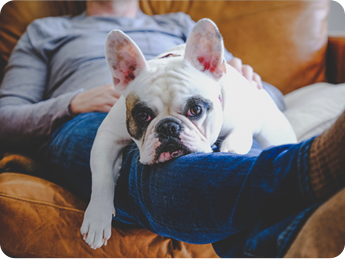
|
If your fur baby never leaves your side or always has their attention focused on you, they are likely experiencing some stress or discomfort in their life. Here are the biggest reasons your pup might be clingy: Learned Behavior
Sometimes, dogs learn clingy behavior from us! The way we interact with our fur babies can encourage
clinginess. For example, if you always give your dog food when they follow you to the kitchen, you
teach them that following you around leads to some type of reward.
|
Situational Fear
Loud noises, new people or animals, uncomfortable situations (like vet visits or grooming), or strange environments can cause stress for your fur baby. In these situations, your dog might cling to you for relief.
Separation Anxiety
When a pup can’t find comfort while alone or while separated from core family members, we call this separation
anxiety. Clinginess and separation anxiety are similar, but not the same. Clingy dogs want to be around you when
you’re at home, but a dog with separation anxiety panics when you’re not around.
Separation anxiety often affects 14% of all dogs and can be a product of inherent or learned behavior. The anxiety
can cause dogs to engage in destructive, anxious behavior when left alone, like incessant whining, pacing,
destructive chewing and urinating or defecating in the home.
Young or Senior Age
Puppies have a tendency to be “velcro dogs.” This is mostly the case because they’re young, impressionable and
leaning into their natural pack instincts! This means they might follow you everywhere and stick to your side.
Alternatively, clingy behavior can also affect senior dogs. This is typically associated with cognitive dysfunction
syndrome. Cognitive dysfunction syndrome causes memory, learning and perception deterioration. This leads to
confusion and discomfort and pushes your pup to seek solace from you, their owner.
Health Issues
When your fur baby doesn’t feel good, they might cling to you to feel better in the midst of physical discomfort. There’s a chance that abnormal or sudden clingy behavior is caused by a health issue you can’t see. If your pup’s behavior shifts suddenly, it’s always safer to take them to a trusted veterinarian.
Signs Of Dog Stress Or Anxiety
Our fur babies can’t talk to us with words, but luckily dogs are very expressive animals! Our pets’
behaviors and body language can tell us a lot about their experience, including their stress and/or
anxiety.
The following are signs that might indicate dog stress, anxiousness or nervous attachment:
|
|
Signs Of Dog Stress Or Anxiety
|
Our fur babies can’t talk to us with words, but luckily dogs are very expressive animals! Our pets’
behaviors and body language can tell us a lot about their experience, including their stress and/or
anxiety.
|
|
How To Help Dogs Become More Confident & Independent
If your fur baby is overly clingy, this indicates they’re not experiencing life in a healthy,
positive way. So how do we support our four-legged companions to a healthier independence?
|
How To Help Dogs Become More Confident & Independent
|
If your fur baby is overly clingy, this indicates they’re not experiencing life in a healthy,
positive way. So how do we support our four-legged companions to a healthier independence?
|
Create Consistent and Predictable Routines
Keeping a regular daily schedule for your fur baby can help reduce their stress levels and help with any clinging due to situational fear. Predictable routines can help create healthy and strong pet-parent bonds and should include mealtimes, exercise, enrichment and plenty of sleep.
Plenty of Exercise and Mental Stimulation
Happily tired pups have little interest in following their hoomans around, whereas a bored pup is more likely to cling, because they have nothing better to do. Help your pup establish a bit of independence by providing opportunities for age-appropriate exercise and mental stimulation. Interactive toys are particularly good for encouraging independent play!
Create a Safe Space
Just like hoomans, fur babies benefit from having a safe, quiet space to retreat to during stressful situations.
Create a special space filled with their favorite toys and blankets. Eventually, they’ll love to be in their special
space almost as much as they love to be alongside you, reducing the likelihood of clinginess.
Last but not least, we recommend trying out natural CBD
options , like supplements
, chews
and toys
, in addition to
the tips above! While CBD hasn’t gone through official testing yet, CBD
treatments are anecdotally known for helping
reduce tension and stress levels in pup (and increase overall vitality).
As pet parents, we of course want our fur babies to thrive — not just survive. While anxiety is a normal emotion
that will affect dogs of all kinds from time to time, too much stress on a regular basis can lower your pup’s
quality of life! Recognizing the signs of a clingy or stressed dog can help you support your fur baby on their
journey to becoming a confident, independent pup.
You Might Also Like
“The Zoomies”: Why Pets Get Them and How to Prevent Them Read More |
3 Science-Backed Ways Pets Make Stress Vanish Read More |
Is My Dog’s Poop Normal? What to Look for in Your Pup’s Stool Read More |
“The Zoomies”: Why Pets Get Them and How to Prevent Them
3 Science-Backed Ways Pets Make Stress Vanish
Is My Dog’s Poop Normal? What to Look for in Your Pup’s Stool